
Pastries and Cookies, Classics
Aged Lebkuchen Dough: The Pastry Chef's Recipe for Soft German Gingerbread


5.0 (2)out of 5, 2 ratings
- Prep
- 30 min
- Bake
- 45 days
- Total
- 45 days
- Makes
- 20 pieces
This traditional aged Lebkuchen dough recipe is the professional plan for reliably soft and moist German gingerbread. As a pastry chef, I'm sharing the 6-week secret of getting ready for Christmas baking.
Read more
The key is starting the gingerbread dough early with potash and good-quality honey and sugar beet syrup. Only a long resting time (at least 4 weeks, better 6) at ideally 54°F (12°C) gives the dough its tender, unique texture. This aged dough is the base for all Lebkuchen and gingerbread recipes.
The detailed pastry chef's method shows you how to store the dough properly and later how to work up the aged dough with egg and a touch of baker's ammonia for the perfect rise. Say goodbye to hard gingerbread and start now with this ultimate plan for your Christmas recipes. Here you'll find the complete guide to making Lebkuchen at home.
Depending on how thick you roll it out, this basic recipe makes 1 to 2 large baking sheets (about 16 × 14 inches / 40 × 35 cm; a US half sheet pan, 18 × 13 inches, works too) and is the base for all Lebkuchen and gingerbread recipes.
Ingredients
Aged dough
- ¼ cup85 ghoney
- ¼ cup85 gsugar beet syrupA thick, dark syrup made from sugar beets, with a malty, slightly bitter taste. In the US use dark corn syrup mixed with a little molasses, or golden syrup with a little molasses; in the UK, half black treacle and half golden syrup.
- 7 tbsp85 gsugarbrown sugar
- 3 ½ tbsp50 mlwater
- 2 ½ cups310 gall-purpose flourType 405. In German recipes plain flour means soft wheat flour Type 405 unless stated otherwise. In the US use all-purpose flour; in the UK, plain flour.
- 2 ½ tbsp20 gwhole wheat flour
- 2 to 3 tsp5 to 8 ggingerbread spiceA German spice blend of cinnamon, cloves, allspice, nutmeg, cardamom, coriander, anise and ginger. In the US use pumpkin pie spice with a pinch each of ground cloves, cardamom and anise; in the UK, mixed spice with a pinch each of ground cardamom, coriander and anise.
- ¾ tsp4 gpotash (potassium carbonate)A traditional leavening agent for German gingerbread doughs that rest for a long time. In the US use food-grade potassium carbonate, sold online; baking soda works in a pinch but the texture will differ. In the UK, food-grade potassium carbonate, sold online; bicarbonate of soda works in a pinch but the texture will differ.
- 2 tsp10 mlwatercold
Working the dough
- 1 pinchbaker's ammoniaAn old-fashioned leavening agent (ammonium carbonate) for crisp, flat Christmas cookies; it smells while baking, but the smell bakes off. In the US use baker's ammonia, sold online and in specialty baking shops; in the UK, baker's ammonia (ammonium bicarbonate), sold online.
- 1 ½ tsp8 mlmilk
- waterfor brushing
- coarse rock sugar crumbsoptional
- candied orange peeloptional
- candied citron peeloptional. Candied peel of the citron, a large lemon-like fruit, diced for fruit breads and Christmas baking. In the US use candied citron or candied lemon peel; in the UK, cut mixed peel or candied lemon peel.
Method
Method
Heat the honey, syrup, sugar & water to about 140°F (60°C), stirring regularly, then let it cool to around 86°F (30°C).
Mix the flours & spice.
Dissolve the potash in the water.
Add the cooled syrup to the flour mixture and let it come together into a dough on the lowest speed. Just before the dough comes together, pour in the potash.
Wrap the dough airtight in a storage container, a zip-top bag or plastic wrap and store it somewhere cool for at least 10 days, but ideally 4 to 6 weeks.
Cool means cellar-cool, not cold or ice-cold. Alternatively, store it in the warmest spot in your fridge.
Working the dough
Dissolve the baker's ammonia in the milk.
Pull the dough into pieces and put them in the bowl of your stand mixer.
On the lowest speed and with plenty of patience (!), let the mixer work the dough while you slowly pour in the milk mixture. This takes about 10 minutes.
Optional: knead in the rock sugar crumbs and candied orange or citron peel at the very end.
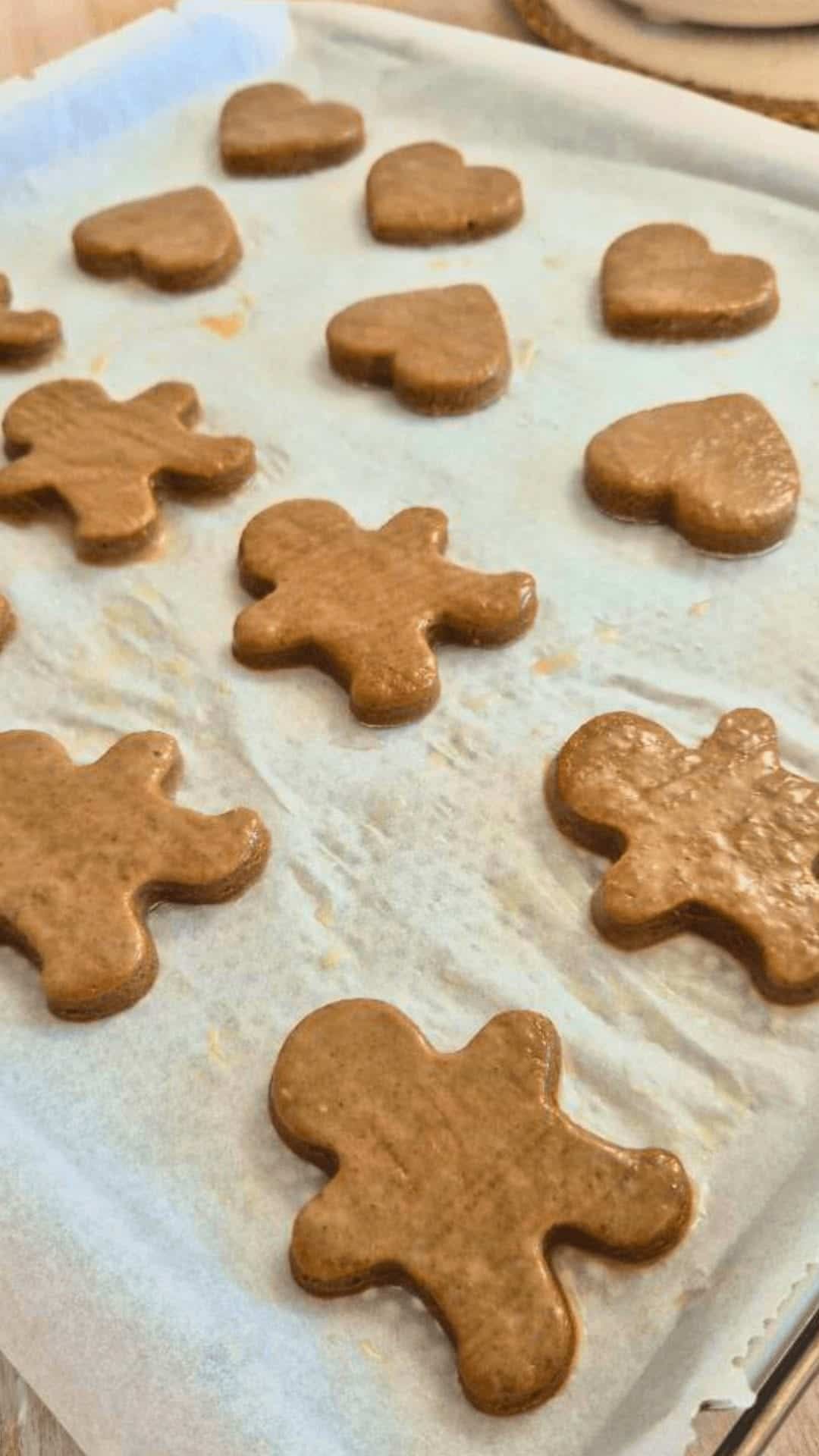
Roll out the dough on a lightly (!) floured work surface & cut out whatever shapes you like.
Place them on a baking sheet, brush or spray them generously with water and bake in the preheated oven at 375°F (190°C) convection (fan) for about 15 minutes, until they turn lightly golden at the edges.
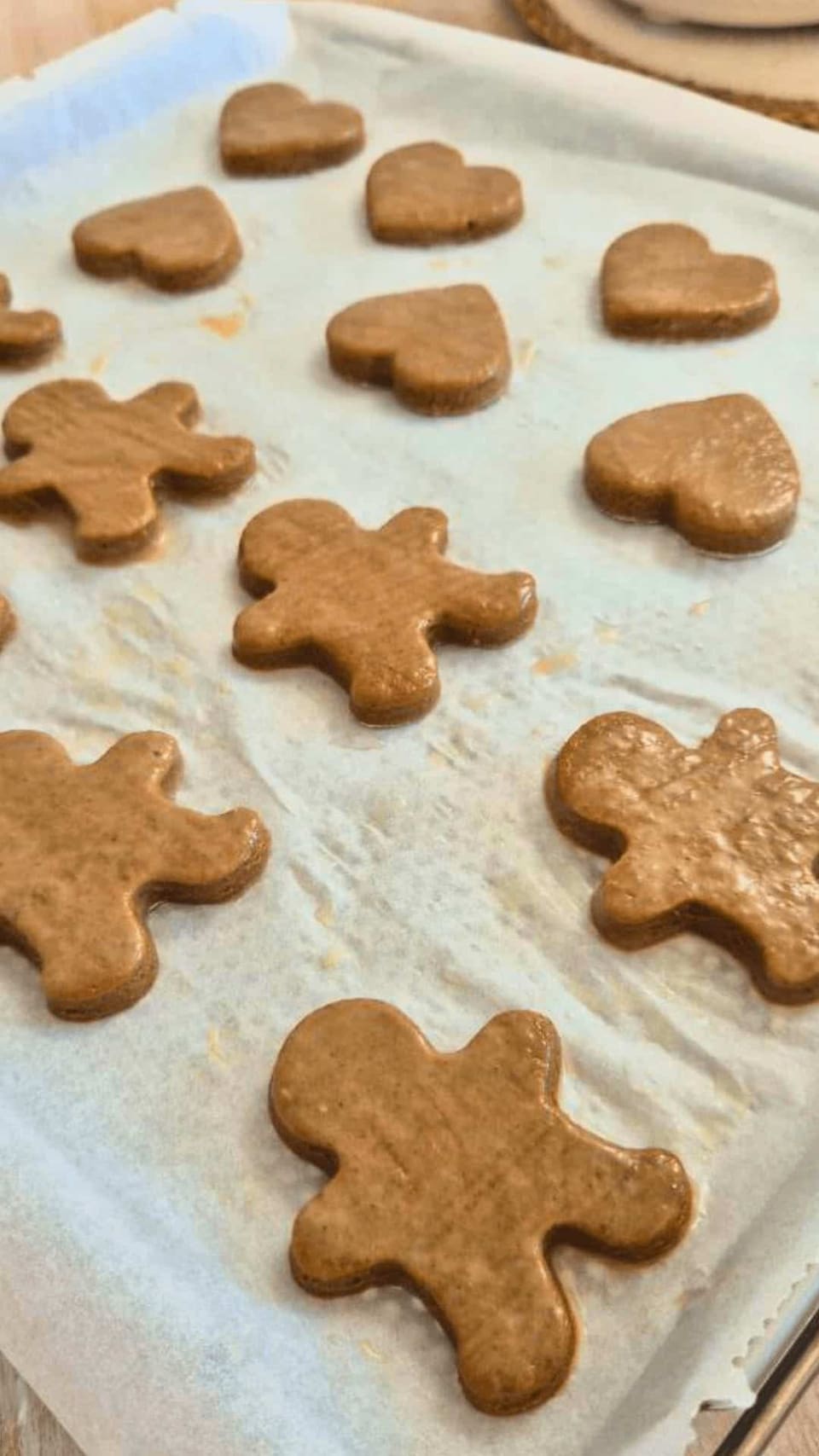
Let them cool on the baking sheet, then finish them however you like.
Q & A
💬 Your Q&A on getting ready: the pastry chef answers!
Q: Why does the aged dough have to rest for so long? A: Only during the long rest (4 to 6 weeks) can the potash react with the acids in the dough. That's what makes the gingerbread wonderfully soft and tender in the end!
Q: Can I use only honey for the aged dough? A: In theory yes, but it's not ideal. Honey on its own crystallizes faster and the dough can turn out too hard. The mix with sugar beet syrup keeps it supple for longer (it draws in moisture!).
Q: Why is there no butter or fat in this dough? A: Fat gets in the way of the gluten and potash reaction! A traditional aged dough needs time and moisture to develop its structure, not fat (that would make the dough too soft).
Q: Why do we use potash and baker's ammonia instead of baking powder? A: Because they give a different structure! Baking powder makes baked goods rise upward. Potash makes them spread outward (perfect for flat gingerbread bars). Baker's ammonia lifts them upward and helps a crust form. Together they're the perfect combination for the typical flavor and texture!
Q: Does the dough work with rye or spelt flour? A: Yes, but be careful! Rye flour is traditional and works very well. Spelt flour is tricky because it develops the gluten too much. For the best result, stick to a mix of wheat flour and some rye flour.
Q: Can I simply store the aged dough in the fridge? A: Yes, but a cellar is better! The ideal temperature is 54°F to 59°F (12°C to 15°C). In the fridge (39°F / 4°C) the dough matures much more slowly.
Q: What do I do if my finished gingerbread turns hard after all? A: Don't panic! Store it airtight in a tin with half an apple wedge. The apple releases moisture overnight and the gingerbread turns soft and moist again. (Tip: swap the apple every 2 days!)


Similar recipes
Snowflake Cookies
4.6 (110)out of 5, 110 ratings
Snowflake Cookies
5.0 (85)out of 5, 85 ratings

Peanut Butter Brownie Muffins
4.8 (41)out of 5, 41 ratings
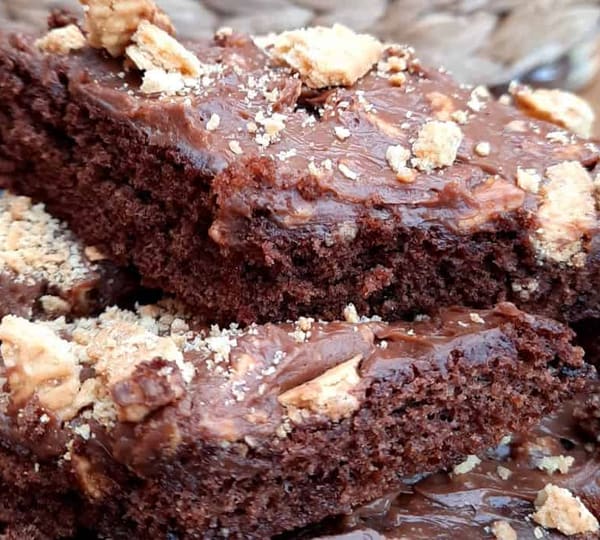
Lebkuchen Brownies with Speculoos Chocolate Cream Cheese Frosting
4.8 (39)out of 5, 39 ratings

Dominosteine Muffins
4.9 (37)out of 5, 37 ratings
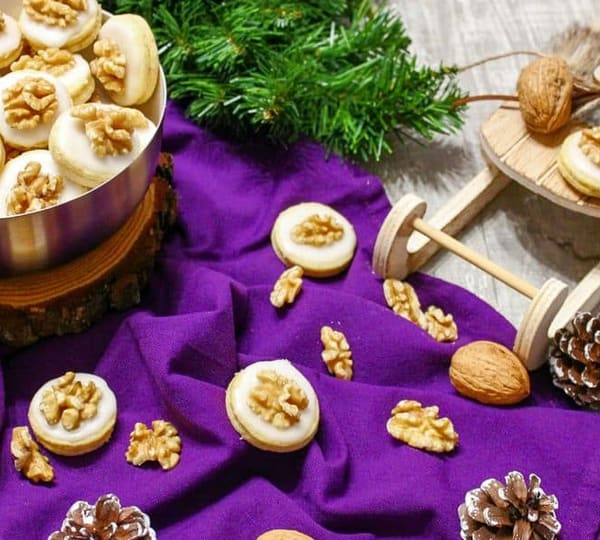
Walnut Thaler Cookies
5.0 (30)out of 5, 30 ratings


