
Basic Recipes, Cakes, Layer Cakes
My Classic Bee Sting Cake with Yeast Dough and Almond Caramel


4.8 (56)out of 5, 56 ratings
- Prep
- 15 min
- Bake
- 45 min
- Total
- 1 hr
- Makes
- 12
From my time in the pastry shop, I know bee sting cake (known in Germany as Bienenstich) in its classic form: yeast dough, a caramel almond crust and a really well chilled vanilla cream in the middle. That's exactly how I bake it at home, because the versions made with a simple butter cake batter always lack that typical, slightly chewy bite you get from a yeast base. Bee sting cake has been my absolute favorite cake for years, so it gets its very own recipe here.
Read more
The little difference from many standard recipes is in my filling. Instead of pure buttercream or pure pudding, I fold whipped cream into the cooled vanilla pudding at the end. This makes the cream noticeably lighter and takes away that heavy, rich feel next to the caramel layer. One important thing: really let the almond caramel mixture cool before baking, otherwise the heat kills the yeast dough right under the topping. Here is my recipe for classic bee sting cake, just the way I like it best and love to bake again and again:
Ingredients
Yeast dough
- salta pinch
- 3 ¼ cups400 gall-purpose flourIn German recipes plain flour means soft wheat flour Type 405 unless stated otherwise. In the US use all-purpose flour; in the UK, plain flour.
- ⅓ cubefresh yeast, or 1 packet dry yeast1 cube of fresh yeast = 42 g, so ⅓ cube is about 14 g; 1 packet dry yeast = 2 ¼ tsp (7 g). German recipes use either a 42 g cube of fresh yeast or a 7 g packet of dry yeast; one cube equals about two packets. In the US use active dry or instant yeast (one ¼ oz / 7 g envelope replaces half a cube of fresh yeast); in the UK, fast action dried yeast (7 g sachet per half cube), or fresh yeast from a supermarket bakery counter.
- ½ cup plus 1 tbsp140 mlmilk
- 5 tbsp60 ggranulated sugar
- 3 tbsp40 gunsalted butterGerman butter is unsalted and has about 82 percent fat. In the US use unsalted butter (European-style unsalted butter is closest); in the UK, unsalted butter.
- 1large egg
Topping
- 6 tbsp80 gunsalted butter
- ⅔ cup140 ggranulated sugar
- 3 ½ tbsp50 mlmilk
- 2 tbsp40 ghoney
- 1 ½ cups130 gsliced almondsThinly sliced almonds. In the US use sliced almonds; in the UK, flaked almonds.
Vanilla cream
- 2 cups500 mlmilk
- 1 packetvanilla custard pudding powder1 packet = about 37 g. A packet of flavored starch that is cooked with 2 cups (500 ml) of milk and sugar into a thick pudding. In the US use about ⅓ cup (40 g) cornstarch plus 1 tsp vanilla extract per packet, or one box of cook-and-serve vanilla pudding mix (not instant) per packet, with the recipe's sugar reduced because the mix is sweetened; in the UK, custard powder, about 40 g per German packet (it is unsweetened, so it swaps 1:1 by weight).
- 6 tbsp75 ggranulated sugar
- 2egg yolks
- 7 tbsp100 gunsalted butter
- ¾ cup plus 1 tbsp200 mlheavy creamGerman cream for whipping has about 30 to 32 percent fat. In the US use heavy cream or heavy whipping cream; in the UK, whipping cream (double cream also works but whips faster, so watch it).
- 1 tbspgranulated sugar
- 1 packetwhipped cream stabilizerA packet of modified starch and sugar that keeps whipped cream firm; one packet is used for about 1 cup (250 ml) of cream. In the US use whipped cream stabilizer powder (sold online and in some baking aisles), or about 1 tbsp nonfat dry milk powder per cup of cream; in the UK, cream stabiliser powder (sold online), or a spoonful of mascarpone whipped in with the cream.
Method
Put the flour in a mixing bowl and make a small well in the middle. Crumble the yeast into it, sprinkle a little of the sugar on top & pour in the milk. Let everything stand for about 10 to 15 minutes so the yeast can wake up and get active. It's best to use warm milk for this step, so everything wakes up faster.
After this short time, add the butter, the egg & the rest of the sugar to the now slightly foamy yeast mixture. Knead everything with the dough hook for about 10 minutes. If you don't have a stand mixer, you can of course do it all by hand. Once everything has come together after 10 minutes of kneading, shape it into a ball and let it rest in the bowl for around 60 minutes. Ideally do this in a warm, draft-free spot.
After the rest, put the dough into a 10-inch (26 cm) springform pan. Once it's in the pan, cover it loosely again and set it aside.
In a small saucepan on the stove, bring the butter, sugar, milk & honey to a boil for about 1 minute. After that minute, add the almonds and stir them in. Please let your mixture cool for at least 10 minutes before you spread it over the dough in the next step. (If your mixture hits the yeast dough while it's still boiling hot, you'll kill all the yeast and your dough will turn out hard and dry :( !) Cover your dough with its topping loosely again and let it rise for another 20 minutes.
Bring the milk to a boil in a saucepan. Add the sugar to the milk. In a small bowl, stir a small splash of the milk together with the egg yolks & the pudding powder. When the milk is just about to boil, add a splash of it to your yolk mixture and stir vigorously. Then add a little hot milk to your yolk mixture 1 to 2 more times, so it warms up and doesn't set right away when it meets the boiling milk. Now add your warmed yolk mixture to the boiling milk and let everything boil for 1 minute while stirring vigorously. After boiling, take the pudding off the heat and add the butter. Stir everything thoroughly and cover it with plastic wrap. Let it cool to room temperature.
Whip the cream with the whipped cream stabilizer until stiff. First stir the pudding thoroughly so it's no longer super dense, then fold in the cream in 3 to 4 portions. Keep the filling in the fridge until you need it.
By now your yeast dough should have risen and look extra fluffy. Preheat your oven to 350°F (175°C) convection (fan). As soon as the oven is up to temperature, carefully put the cake into the oven (in the middle!) & bake it for about 25 minutes until everything is golden!
After baking, simply let the cake cool completely on the counter, & then cut it in half horizontally so you can fill it with the cooled cream. Before you put the top layer of the bee sting cake back on, cut it into portions so serving is easier. After filling, it's best to put the whole thing in the fridge for at least 3 hours so everything becomes stable and firm.
Temperature: 350°F (175°C) convection (fan)
Baking time: about 25 minutes
Questions and answers
Can I make the bee sting cake a day ahead?
Does this recipe work without yeast?
Which cream goes into an original bee sting cake?
Which pan works best for bee sting cake?
How do I cut bee sting cake without the almond layer splintering?
How long does bee sting cake keep in the fridge?
Similar recipes
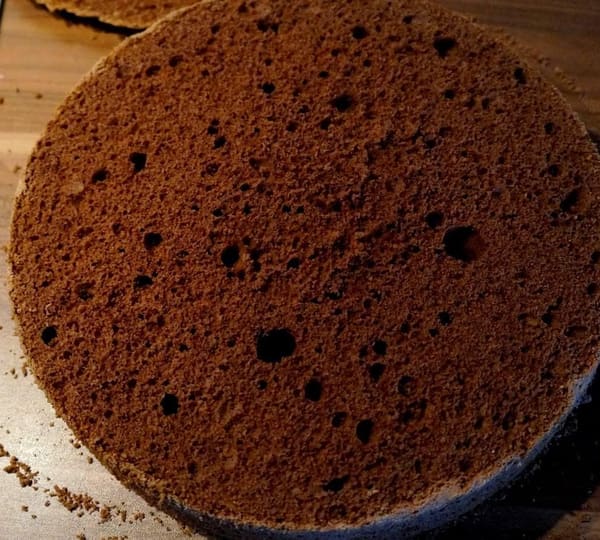
Chocolate Sponge Cake Base
4.6 (102)out of 5, 102 ratings
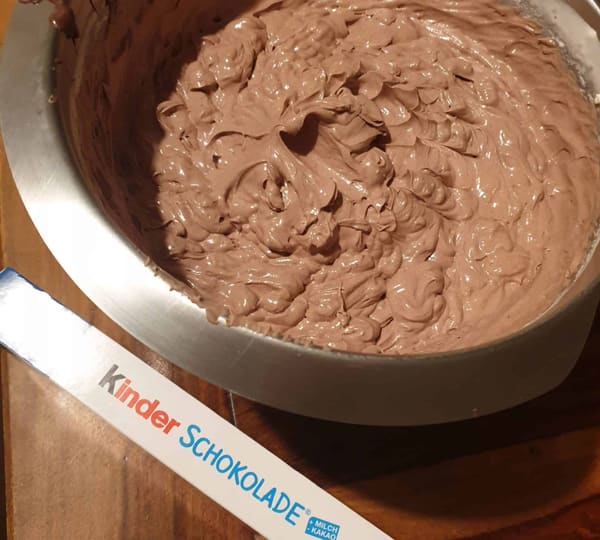
Kinder Chocolate Buttercream
4.8 (48)out of 5, 48 ratings

Sweetened Condensed Milk Buttercream
4.7 (47)out of 5, 47 ratings
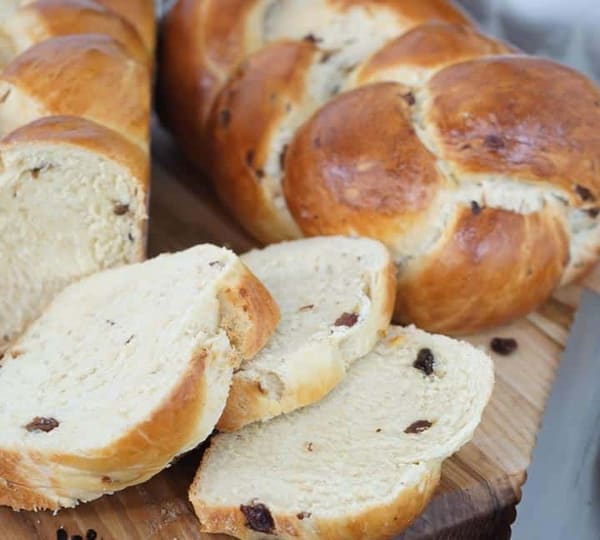
German Braided Sweet Bread (Hefezopf)
4.8 (44)out of 5, 44 ratings

Vanilla Cupcakes
4.9 (38)out of 5, 38 ratings
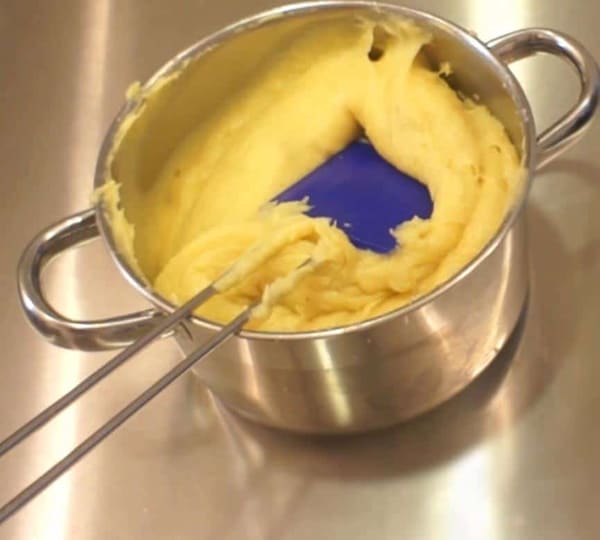
Almond Paste Cream Filling
4.8 (35)out of 5, 35 ratings


