
Pastries and Cookies, Cakes, Sweet Pastries
Fluffy Buchteln from My Grandma's Recipe with Apple Filling


4.7 (20)out of 5, 20 ratings
- Prep
- 10 min
- Bake
- 30 min
- Total
- 40 min
- Makes
- 10
This recipe comes from my grandma's old baking book and is really close to my heart. Buchteln (sweet baked yeast buns) were a classic in her oven, soft and fragrant, filled with homemade apple compote. I use a soft yeast dough made with flour, butter, milk and fresh yeast. Homemade apple compote with raisins and almonds is what sets them apart from the classic versions with plum butter (a thick, dark spread of slowly cooked plums; in the US use plum butter or prune lekvar; in the UK, powidła, Polish plum butter, or a thick plum jam) that you find online.
Read more
My tip as a pastry chef: I knead the yeast dough on the lowest speed so it has time to come together nice and calmly. That way it turns out smooth and doesn't stick to your fingers, and you don't need any extra flour when shaping it. When filling, my rule is: don't pack in too much, otherwise the Buchteln burst in the oven or the filling runs out. One teaspoon per bun is plenty. Here is my recipe for fluffy Buchteln from my grandma's recipe:
Ingredients
- 3 ¼ cups400 gall-purpose flourIn German recipes plain flour means soft wheat flour Type 405 unless stated otherwise. In the US use all-purpose flour; in the UK, plain flour.
- ¼ cup50 ggranulated sugar
- ¾ oz20 gfresh yeastfresh. German recipes use either a 42 g cube of fresh yeast or a 7 g packet of dry yeast; one cube equals about two packets. In the US use active dry or instant yeast (one ¼ oz (7 g) envelope replaces half a cube of fresh yeast); in the UK, fast action dried yeast (7 g sachet per half cube), or fresh yeast from a supermarket bakery counter.
- ½ cup120 mlmilklukewarm
- 6 tbsp80 gunsalted buttersoftened. German butter is unsalted and has about 82 percent fat. In the US use unsalted butter (European-style unsalted butter is closest); in the UK, unsalted butter.
- 1large egg
- ½ tspsalt
- ⅔ cup150 gfilling of your choiceI used preserved cooked apples, but apricots or plums are also very popular.
Method
Make a well in the flour, crumble the yeast into it, sprinkle about half of the sugar on top and cover with the milk. Let it stand for 10 minutes.
Add the remaining ingredients to this starter and let the stand mixer knead everything with the dough hook on the lowest speed.
Once the dough comes together smoothly after 10 minutes, remove the dough hook, cover the dough and let it rise in a warm place for at least an hour.
When the dough has doubled in size, divide it into 8 to 9 pieces. I weighed the whole dough and then portioned the pieces one by one on the scale, so they are all the same size.
Shape the pieces into tight balls and let them rest for 15 minutes, ideally covered with a kitchen towel.
After resting, flatten each piece of dough in your hand and place a little of the filling in the center. Pinch the edges together in the middle, shape into a ball again and place it in a baking dish. Repeat with the remaining pieces of dough.
Preheat the oven to 350°F (180°C).
Once the oven is hot, you can brush the buns with a little egg wash (egg beaten with milk or water) if you like. Bake the Buchteln for about 20 to 30 minutes, until golden brown.
They are best served still lukewarm with vanilla sauce.
Questions and answers
Can I make Buchteln a day ahead?
How long do Buchteln need to rise?
What are Buchteln called in Germany?
What is the difference between Germknödel and Buchteln?
What temperature and how long do I bake Buchteln?
Which filling works best in Buchteln?
Similar recipes
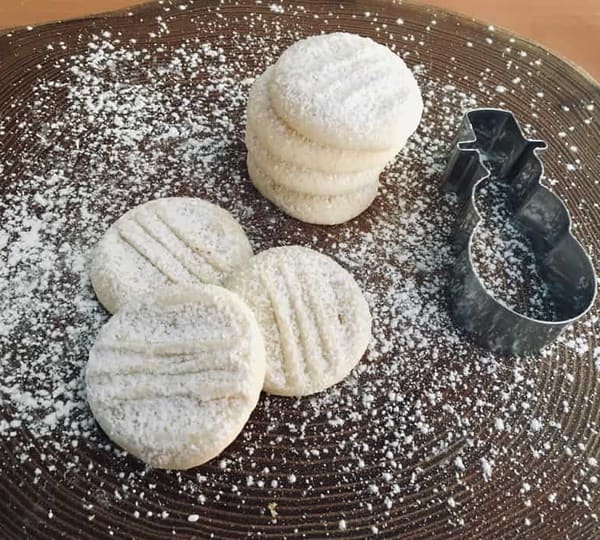
Snowflake Cookies
4.6 (110)out of 5, 110 ratings
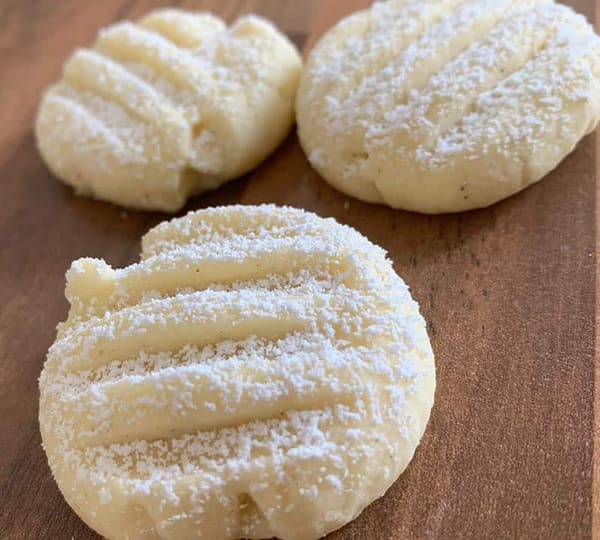
Snowflake Cookies
5.0 (85)out of 5, 85 ratings
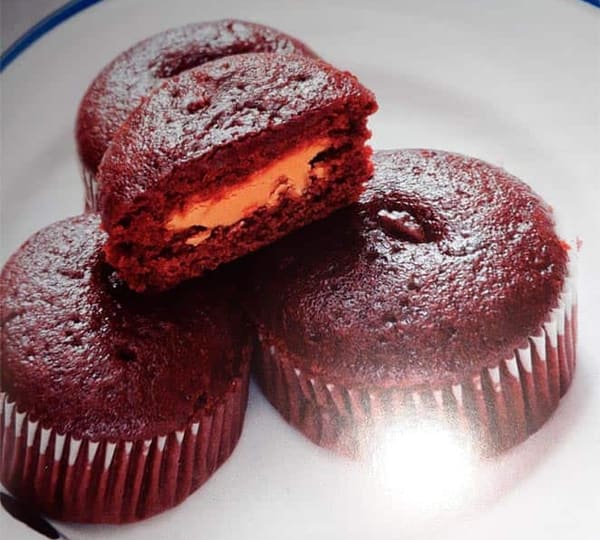
Peanut Butter Brownie Muffins
4.8 (41)out of 5, 41 ratings
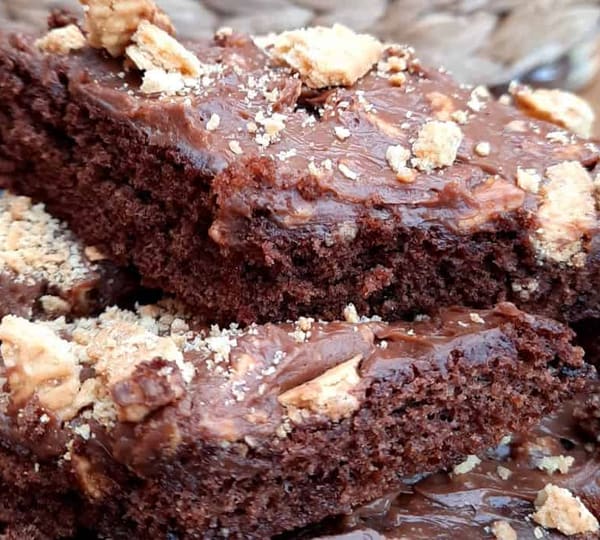
Lebkuchen Brownies with Speculoos Chocolate Cream Cheese Frosting
4.8 (39)out of 5, 39 ratings
Dominosteine Muffins
4.9 (37)out of 5, 37 ratings
Walnut Thaler Cookies
5.0 (30)out of 5, 30 ratings


