
Whipped Cream Cakes, Sweet Pastries, Layer Cakes
My Mini Caramel Cakes, Velvety Little Entremets


5.0 (3)out of 5, 3 ratings
- Prep
- 1 hr
- Bake
- 9 hr
- Total
- 10 hr
- Makes
- 6 pieces
This is one of those recipes I really worked on for a long time, until it finally gave me neat little mini caramel cakes with a smooth mirror glaze. Three components come together: dry caramel for the mousse, a crisp dacquoise base and a glossy caramel mirror glaze on top. Honestly, it takes some effort, but the result when you cut into it, with the shiny surface and the velvety mousse underneath, makes up for every minute. I tested the recipe several times with agar, and in the end I stayed with classic gelatin sheets, because the texture is simply the best fit.
Read more
My pastry chef trick is in the mousse: I use a real caramel chocolate instead of unsweetened cocoa powder or caramel syrup, which gives the cream a deeper flavor. For the dry caramel, it is important that you melt the sugar in batches and only stir once everything is liquid, otherwise the whole mass will clump up on your spoon. Here is my complete recipe for these mini caramel cakes:
Ingredients
Mousse
- 5 tbsp60 ggranulated sugar
- ¾ cup plus 1 tbsp200 mlheavy creamGerman cream for whipping has about 30 to 32 percent fat. In the US use heavy cream or heavy whipping cream; in the UK, whipping cream (double cream also works but whips faster, so watch it).
- ¾ oz20 gcaramel chocolatefrom Valrhona
- 2 sheetsgelatinGerman recipes usually mean gelatin sheets of about 1.7 g each. In the US use unflavored powdered gelatin, about ½ tsp (1.7 g) per sheet, bloomed in cold water; in the UK, leaf gelatine, weighed (about 1.7 g per German sheet), or powdered gelatine.
Dacquoise
- ½ cup plus 1 tbsp140 gegg whitesabout 4
- ¾ cup150 ggranulated sugar
- 4 tbsp30 gall-purpose flourIn German recipes plain flour means soft wheat flour Type 405 unless stated otherwise. In the US use all-purpose flour; in the UK, plain flour.
- ¾ cup plus 2 tbsp85 ghazelnutsground
Caramel mirror glaze (glaçage au caramel)
- ¾ cup plus 1 tbsp170 ggranulated sugar
- ½ cup plus 2 tbsp150 gwater
- 1 ½ tbsp12 gcornstarchA fine starch, usually made from corn, used to thicken creams and lighten cakes. In the US use cornstarch; in the UK, cornflour.
- ½ cup plus 2 tbsp150 mlheavy cream
- 6 sheetsgelatin
- ⅓ oz10 gcaramel chocolateValrhona (Dulcey)
Questions and answers
Why shouldn't you stir caramel?
How do you caramelize sugar properly?
What kind of pan is best for caramelizing?
How long does the mousse need to be frozen before glazing?
What should I do if the mirror glaze gets too thick?
Can I replace the caramel chocolate with regular chocolate?
Similar recipes
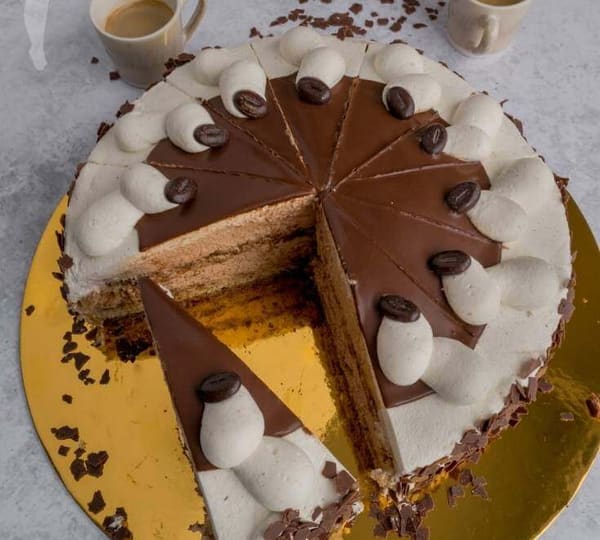
Mocha Torte
4.7 (10)out of 5, 10 ratings
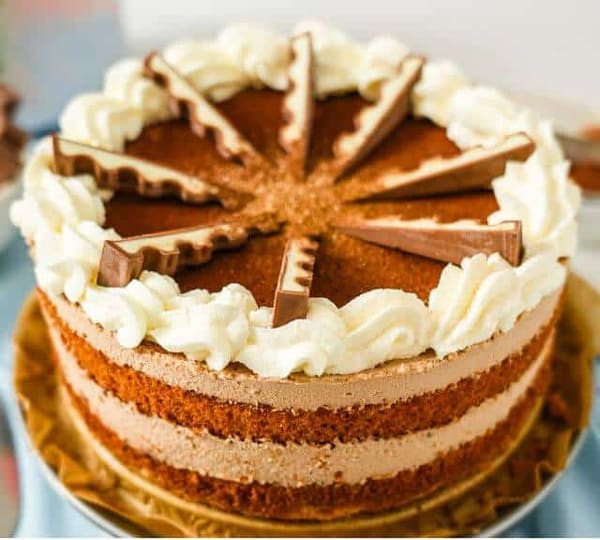
Kinder Chocolate Bar Cake
5.0 (6)out of 5, 6 ratings
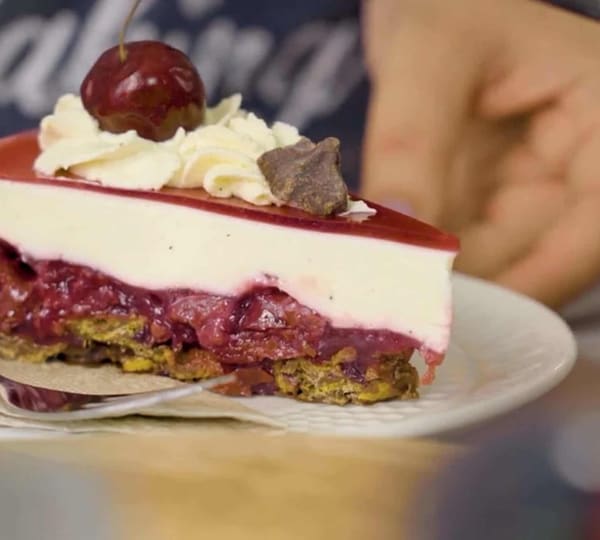
No-Bake Cherry Quark Cake
5.0 (6)out of 5, 6 ratings
Fürst Pückler Cake
4.4 (5)out of 5, 5 ratings
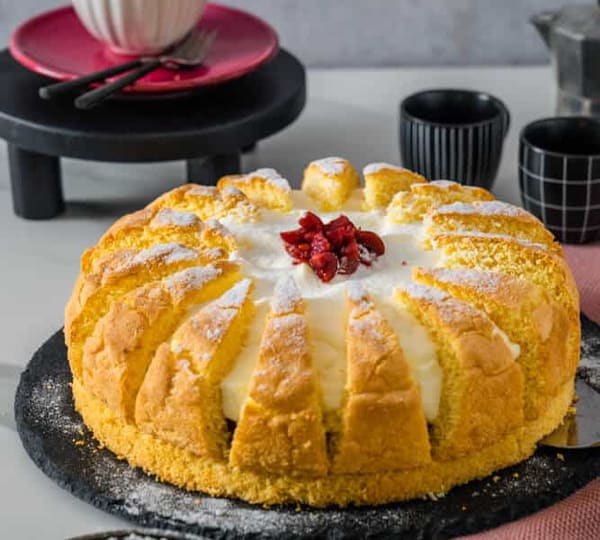
Cherry Quark Crown Cake
4.8 (5)out of 5, 5 ratings
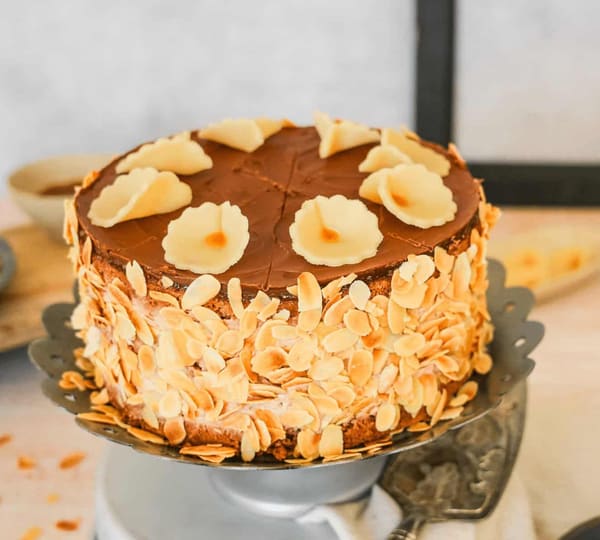
Marzipan Nougat Cake
4.5 (4)out of 5, 4 ratings


