
Tender Mocha Tongue Cookies with Real Espresso, Simply Piped


5.0 (5)out of 5, 5 ratings
- Prep
- 10 min
- Bake
- 20 min
- Total
- 30 min
- Makes
- 20
Coffee, butter and a splash of liqueur in one bowl, that is all this little classic cookie needs. Mocha tongues, known in Germany as Mokkazungen, are one of those typical pastry shop treats that look elaborately decorated but are really just piped shortbread dough. I dug this recipe out of one of my oldest handwritten baking books, because I used to absolutely love eating these little things.
Read more
The trick is in the coffee: I use real espresso plus a spoonful of coffee liqueur, which gives the cookies a much fuller flavor than cocoa powder alone. If you don't have any liqueur on hand, just leave it out; the espresso by itself brings plenty of aroma and also keeps the dough light. One tip before you start: use a plain round tip, not a star tip, because the fine ridges melt away during baking anyway. Here is my recipe for classic piped mocha tongues:
Ingredients
- 1 stick plus 4 tbsp170 gunsalted butterGerman butter is unsalted and has about 82 percent fat. In the US use unsalted butter (European-style unsalted butter is closest); in the UK, unsalted butter.
- 1 ¼ cups150 gpowdered sugarVery finely ground sugar for icings and dusting. In the US use powdered sugar (confectioners' sugar); in the UK, icing sugar.
- 1large egg
- 1 tbspcoffee liqueurOptional.
- 2 tbspespresso
- 2 tbspunsweetened cocoa powderPure unsweetened cocoa powder for baking. In the US use unsweetened cocoa powder (not hot cocoa mix); in the UK, cocoa powder (not drinking chocolate).
- 1 ½ cups180 gall-purpose flourIn German recipes plain flour means soft wheat flour Type 405 unless stated otherwise. In the US use all-purpose flour; in the UK, plain flour.
Method
All-in method: stir everything together until you have a smooth, even mixture.
Fill the dough into a sturdy piping bag with a round tip. Pipe the cookies in the size you like and chill them for at least 90 minutes. Otherwise they will spread completely!
Put them into the preheated oven at 375°F (190°C) and bake for about 10 minutes.
After baking, let them cool completely and decorate with chocolate as you like.
Questions and answers
Can I leave out the coffee liqueur?
Which piping tip do I need?
Why shouldn't the dough be whipped?
How do I best store mocha tongues?
How do I decorate the tongues with chocolate?
Similar recipes
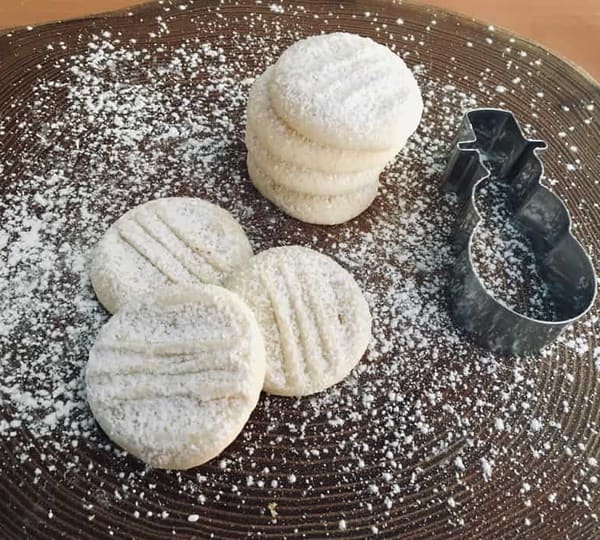
Snowflake Cookies
4.6 (110)out of 5, 110 ratings
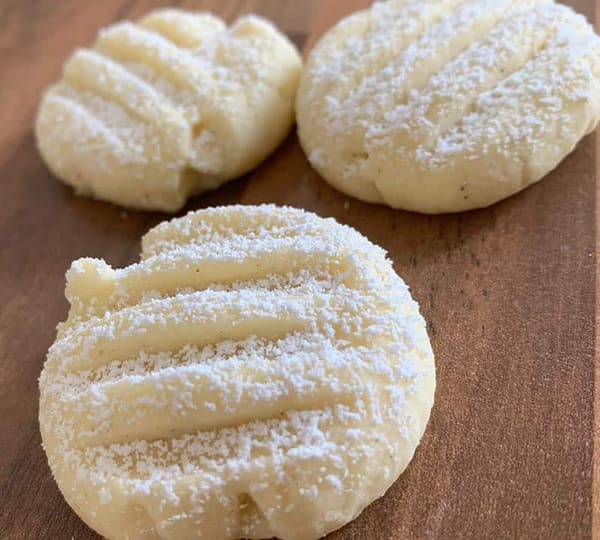
Snowflake Cookies
5.0 (85)out of 5, 85 ratings
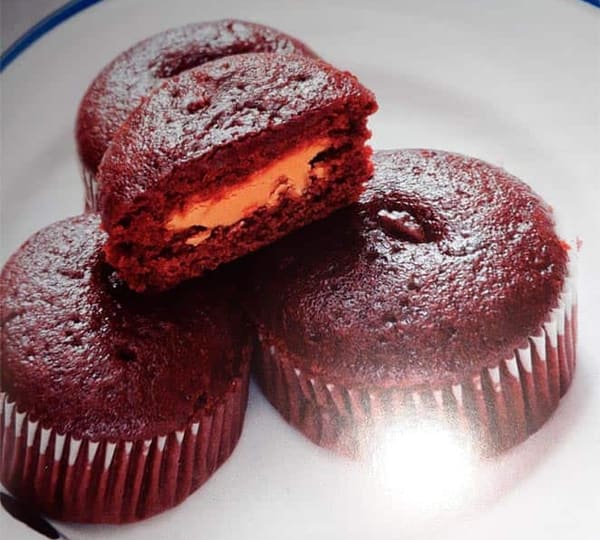
Peanut Butter Brownie Muffins
4.8 (41)out of 5, 41 ratings
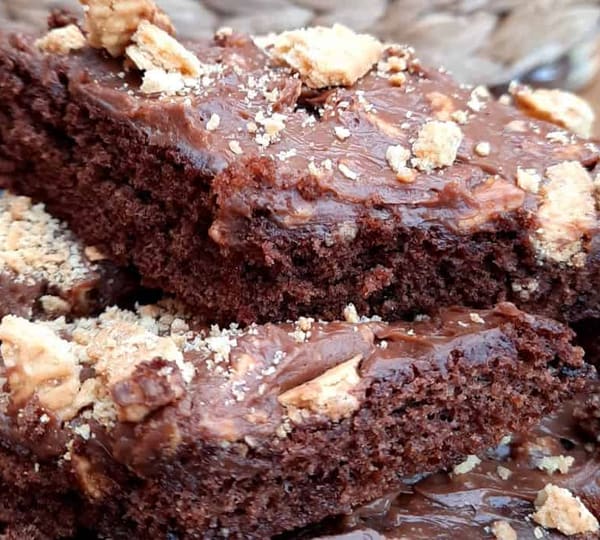
Lebkuchen Brownies with Speculoos Chocolate Cream Cheese Frosting
4.8 (39)out of 5, 39 ratings

Dominosteine Muffins
4.9 (37)out of 5, 37 ratings
Walnut Thaler Cookies
5.0 (30)out of 5, 30 ratings


