
Pastries and Cookies, Basic Recipes
Shortcrust Pastry and Cookie Dough


4.7 (27)out of 5, 27 ratings
- Prep
- 10 min
- Total
- 10 min
Looking for the perfect, foolproof basic shortcrust pastry recipe? Then you've come to the right place! Shortcrust pastry (Mürbeteig in German) is an unbeatable baking classic and a true all-rounder in my kitchen. Whether as a crisp base for cakes, delicate cookies, fruity tarts or even savory quiches and hand pies: this dough can do it all!
Read more
It's so popular because it's so uncomplicated. It's incredibly easy to make and almost always turns out well. But how do you make the best shortcrust pastry, and what do you need to watch out for when working with it? As a trained pastry chef, I'm sharing my best tips for the perfect dough with you today.
Making shortcrust pastry: why I prefer room temperature butter!
Many old recipes call for cold butter, but I'll let you in on a professional secret: I like to make my shortcrust pastry with room temperature butter.
Even texture: Soft butter combines much faster and more evenly with the sugar and flour.
Less kneading, more tenderness: The less you knead the dough, the more tender it will be after baking. With room temperature butter, you keep the dough from breaking, turning greasy and crumbly, and losing its structure.
Easy to work with: The dough comes together smoothly without you having to use much force.
Tips for working with and rolling out shortcrust pastry
There are a few simple rules to keep your shortcrust pastry from shrinking or cracking in the oven. As soon as the ingredients have come together into a smooth ball, the most important step is done.
Even though we're working with soft butter, a short rest in the fridge after kneading is ideal. It relaxes the gluten in the flour and means you can roll out the dough perfectly later without it sticking.
Whether you're a beginner or already have professional experience: with this guide, every pastry base will turn out well. Now I'll show you the steps in detail!
Notes:
- Once the dough is made, I highly recommend wrapping it in plastic wrap and putting it in the fridge for a short while first. During this time the butter firms up a little again & makes the dough easier to work with & the sugar also has time to dissolve, & that gives you a nicer, smoother dough.
- For even finer cookies, it's also a good idea to replace the sugar with powdered sugar (very finely ground sugar; in the US also called confectioners' sugar, in the UK icing sugar). That gives you an even smoother dough & more delicate cookies.
- So if you have the time, make your dough a few hours before you use it. The longer it rests and chills before you work with it, the nicer & smoother the dough will be.
- With large batches of dough, it's best to work in portions & keep the rest in the fridge until you need it.
- Avoid rolling out & kneading the dough together again too often, so it doesn't get too warm or too soft. Otherwise the dough just turns mushy & sticky & loses its tender, crumbly texture.
- Place the rolled out, cut out cookies on a cold baking sheet so the dough doesn't spread.
- For large shortcrust bakes such as tart bases, it's best to prick them generously with a fork before baking (bakers call this docking) to keep unwanted bubbles from forming.
- Cookies that are baked too dark quickly taste burnt, so always bake them to a nice light golden blond.
- Let the cookies cool on the baking sheet so they don't tear or break.
Ingredients
- ½ cup plus 2 tbsp125 ggranulated sugar
- 2 sticks plus 2 tbsp250 gunsalted butterGerman butter is unsalted and has about 82 percent fat. In the US use unsalted butter (European-style unsalted butter is closest); in the UK, unsalted butter.
- 3 cups375 gall-purpose flourIn German recipes plain flour means soft wheat flour Type 405 unless stated otherwise. In the US use all-purpose flour; in the UK, plain flour.
Method
To make the dough, put all the ingredients in a bowl & work them together as briefly as possible until you have a dough that looks a little like wet sand.
During my apprenticeship, and in the pastry shop in general, you usually put the butter & sugar into the mixer first & let them mix briefly until smooth, & add the flour as the last step so the flour doesn't get overworked.
When you press the dough together, it holds its shape but isn't so sticky that it would, for example, stick to the bowl.
Depending on your taste or the recipe, you can also add egg yolks, milk &/or water, as well as spices, colorings & flavor pastes. Baking powder (German baking powder comes in 15 g packets, each about 1 tbsp plus ¾ tsp of US or UK baking powder) is unusual in shortcrust pastry because you don't want it to rise: the dough should be tender, short and crisp.
Similar recipes
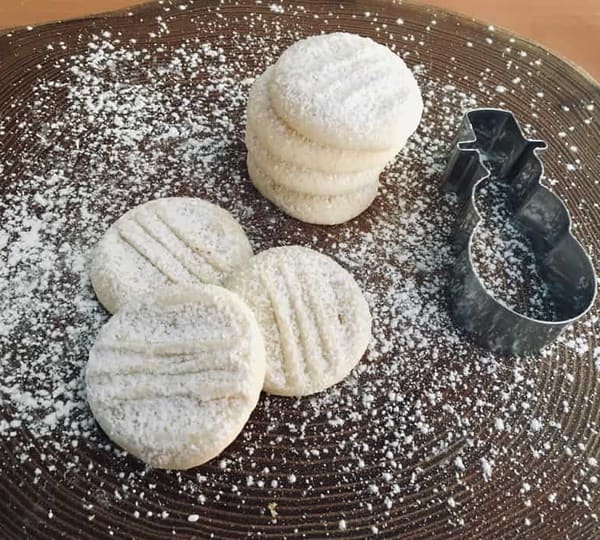
Snowflake Cookies
4.6 (110)out of 5, 110 ratings
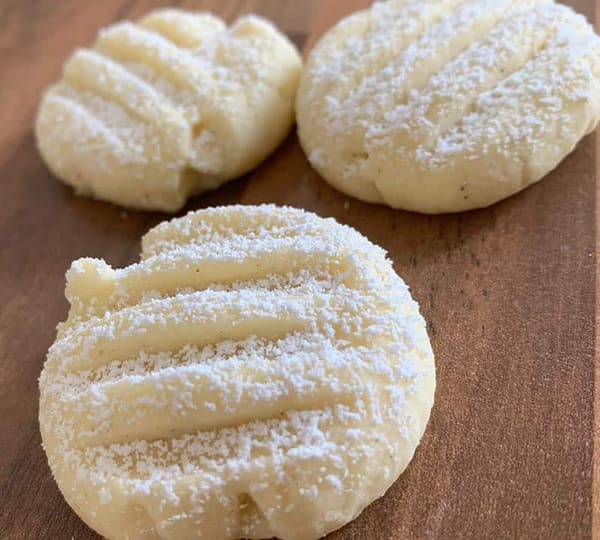
Snowflake Cookies
5.0 (85)out of 5, 85 ratings
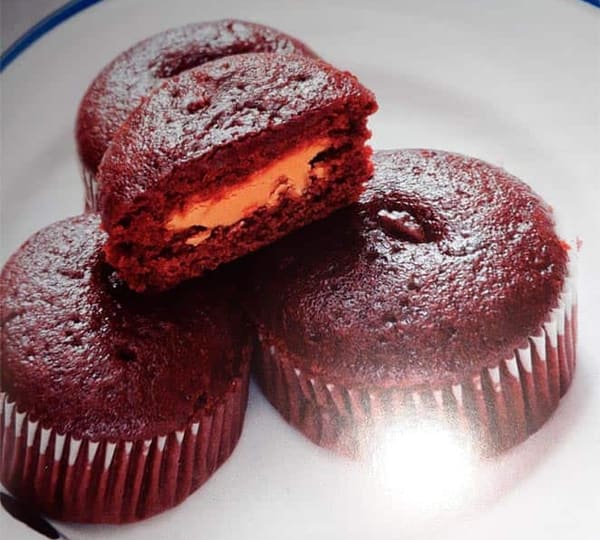
Peanut Butter Brownie Muffins
4.8 (41)out of 5, 41 ratings
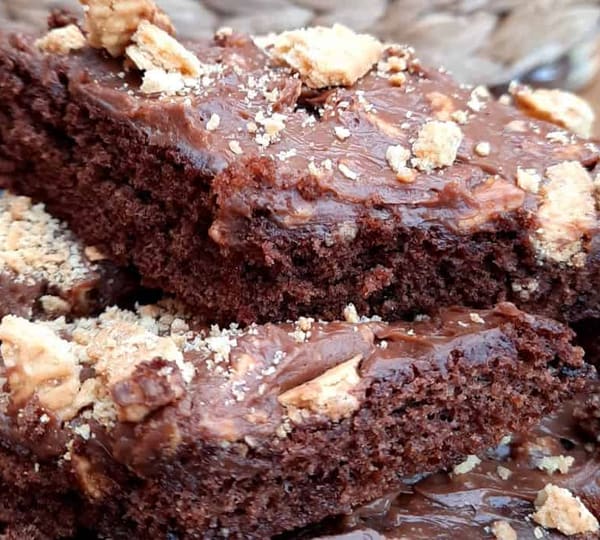
Lebkuchen Brownies with Speculoos Chocolate Cream Cheese Frosting
4.8 (39)out of 5, 39 ratings

Dominosteine Muffins
4.9 (37)out of 5, 37 ratings
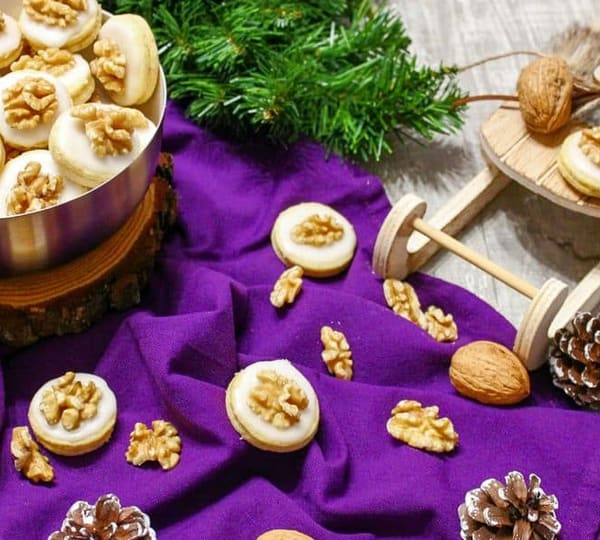
Walnut Thaler Cookies
5.0 (30)out of 5, 30 ratings


