
My Lemon Meringue Tart with Creamy Lemon Curd


4.8 (10)out of 5, 10 ratings
- Prep
- 10 min
- Bake
- 50 min
- Total
- 1 hr
- Makes
- 10
A really good lemon meringue tart tastes of fresh organic lemons, not of powder. That's why I always work with the juice and zest of whole fruit and never with some concentrate from a bottle. I start my shortcrust pastry with softened, room temperature butter. That's what I learned in the pastry shop, and it's what makes the base so wonderfully short and fine-crumbed later on.
Read more
What makes my version special is the Italian meringue made with boiled sugar syrup, not the quick version with raw beaten egg whites. The heat cooks the egg whites, so the meringue stays stable for hours without the peaks collapsing. Only one thing matters: check the syrup with a thermometer, otherwise the egg whites will curdle when you beat it in. Here is my recipe for lemon meringue tart with creamy lemon curd and a crisp shortcrust base.
Ingredients
Shortcrust pastry
- 1 stick plus 4 tbsp170 gunsalted butterSoftened. German butter is unsalted and has about 82 percent fat. In the US use unsalted butter; European-style unsalted butter is closest. In the UK, unsalted butter.
- 1 cup115 gpowdered sugarVery finely ground sugar for icings and dusting. In the US use powdered sugar (confectioners' sugar); in the UK, icing sugar.
- 1 pinchsalt
- 1large egg yolk
- ¼ cup plus 1 tbsp30 gnutsground
- 2 ¼ cups280 gall-purpose flourIn German recipes plain flour means soft wheat flour Type 405 unless stated otherwise. In the US use all-purpose flour; in the UK, plain flour.
Lemon curd
- 5large eggs
- 2large egg yolks
- 1 cup plus 2 tbsp230 ggranulated sugar
- 1 scant cup230 mllemon juice
- zest of 2 lemons
- 3 ½ tbsp50 gunsalted butter
Meringue
- ⅔ cup130 ggranulated sugar
- 2 tbsp plus 1 tsp35 gwater
- 1 tsplemon juice
- ⅓ cup plus 1 tbsp90 gegg whitesabout 3 large egg whites
- 2 ½ tbsp30 ggranulated sugar
Method
Shortcrust pastry
Briefly stir the butter, powdered sugar & salt together.
Stir in the egg yolk.
Add the flour & ground nuts and work everything together until the dough holds together.
Wrap the dough in plastic wrap, press it flat & chill it for at least 90 minutes.
After chilling, knead the dough together briefly once more & then roll it out with a little flour. (Kneading after chilling is a bit tricky because the cold makes the butter in the dough hard again, so it takes some patience and effort until everything comes back together. But please don't knead the dough until it gets "warm": work it as briefly as possible so it stays as cold as possible.)
Preheat the oven to 375°F (190°C) convection (fan).
Lay the sheet of dough into a tart pan (please do NOT grease it beforehand), press it in and prick it a few times with a fork.
Bake the tart shell for about 10 to 15 minutes, until it is a light golden blond.
Leave the ring around the tart and reduce the oven to 275°F (130°C) convection (fan).
Lemon curd
Warm the lemon juice, zest, eggs, egg yolks & sugar over a water bath on medium heat, stirring regularly.
As soon as the mixture has thickened and looks like soft pudding, add the butter.
Pour the hot mixture into the still hot tart shell and put everything back into the oven.
Bake for about 15 minutes, until the filling has set but still wobbles slightly.
Remove the ring from the warm tart and let it cool completely.
Meringue
Bring the water, sugar & lemon juice to a boil in a saucepan and cook to 241°F (116°C). (Yes, please use a thermometer if you can!)
Meanwhile, beat the egg whites & sugar until stiff.
As soon as the sugar syrup has reached the temperature, beat it into the egg whites in a thin, steady stream. (If you need to, please ask a second person to help you with this!)
Keep beating the meringue until it is only warm.
Fill a piping bag fitted with a St. Honoré tip and pipe the meringue onto the tart.
Either torch the meringue with a kitchen blowtorch or preheat the oven to 350°F (180°C) with top heat only & "torch" it that way for a few minutes.
It tastes best slightly chilled.
Questions and answers
Which lemons should I use for the lemon meringue tart?
What's the difference between Italian and French meringue?
How do I keep my shortcrust pastry from being too hard to roll out after chilling?
Do I absolutely need a blowtorch for the lemon meringue tart?
Can I make the shortcrust pastry for the lemon meringue tart the day before?
How do I get the tart ring off cleanly after baking?
Similar recipes
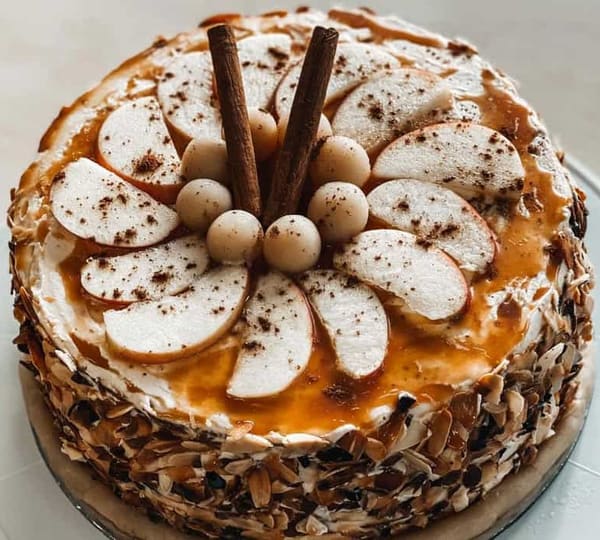
Baked Apple Caramel Cake
5.0 (224)out of 5, 224 ratings
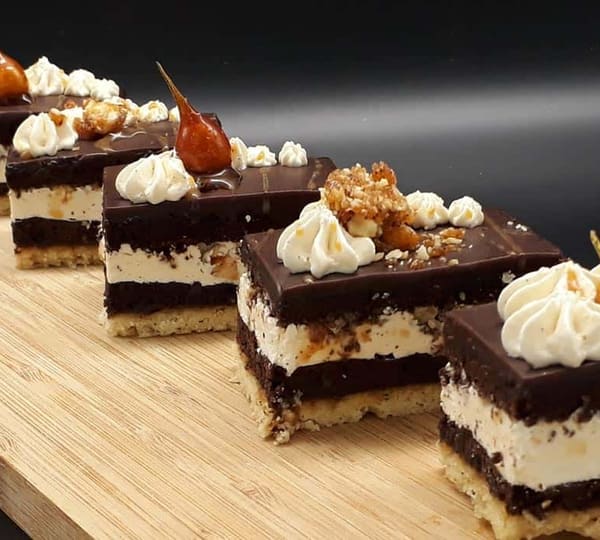
Chocolate Vanilla Bars with Hazelnut Caramel Crunch
5.0 (214)out of 5, 214 ratings
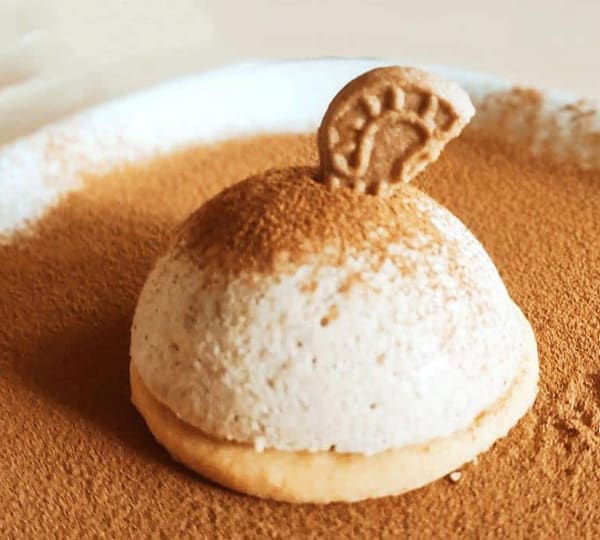
Speculoos Tartlets
4.8 (60)out of 5, 60 ratings
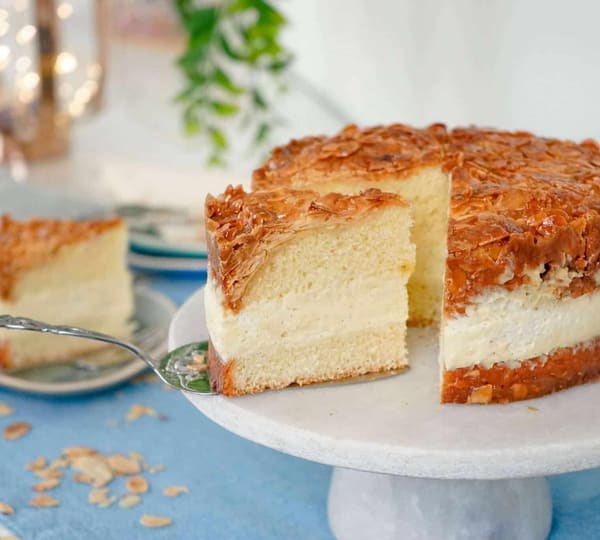
Bee Sting Cake (Bienenstich)
4.8 (56)out of 5, 56 ratings
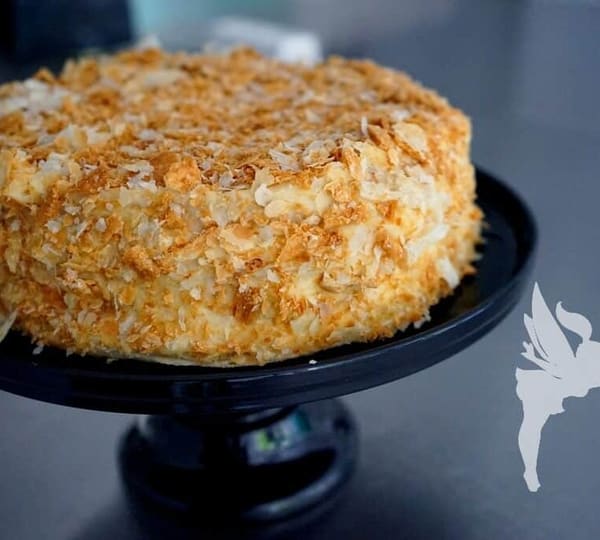
Napoleon Cake
4.6 (40)out of 5, 40 ratings
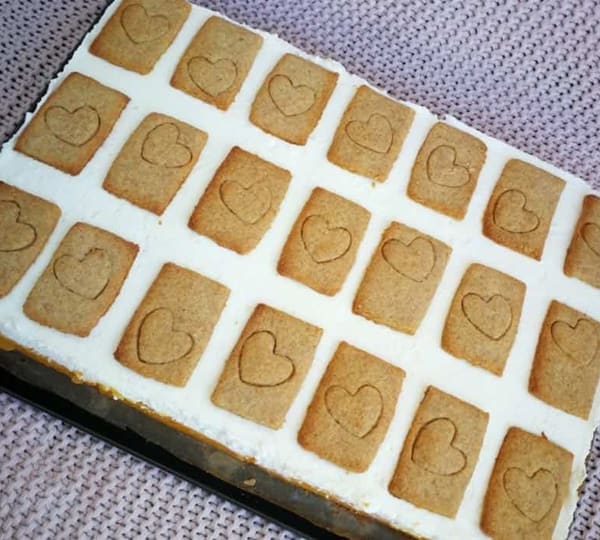
Speculoos Mandarin Orange Bars
4.8 (33)out of 5, 33 ratings


